Spanish Food Vocabulary: 20 Everyday Foods

Read a simple shopping list, name ingredients and describe what you want to eat. This twenty-word food deck covers fruit, pantry staples and a few prepared foods, with examples that connect each ingredient to a real kitchen or meal.

20 Everyday Foods

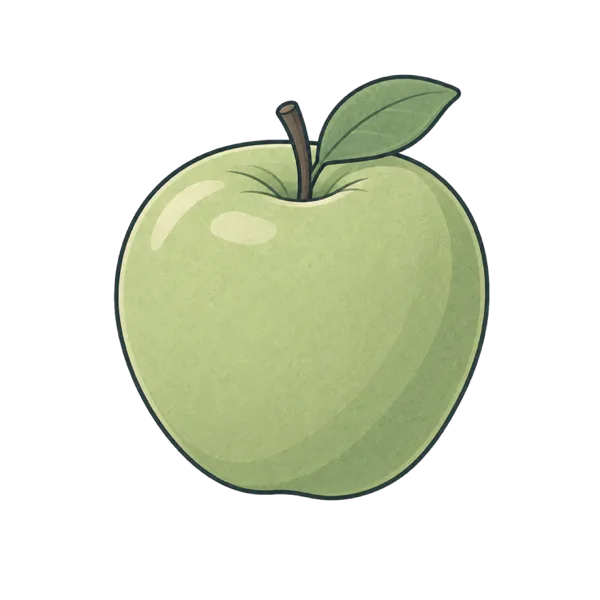
Apple vocabulary illustration
Spanish

manzana

English

apple

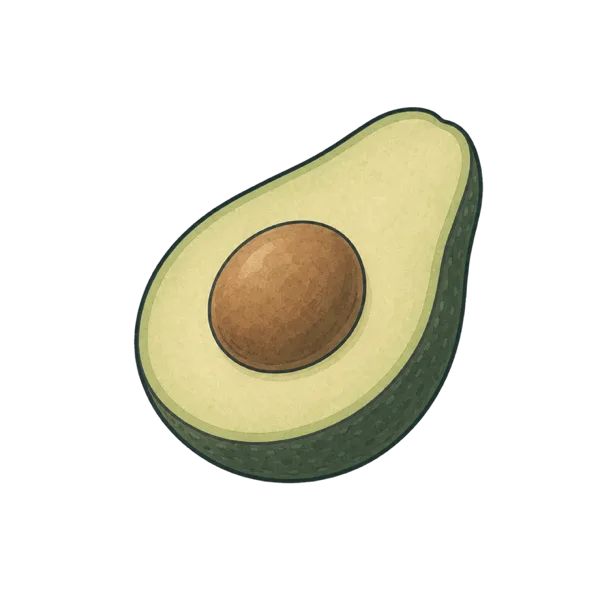
Avocado vocabulary illustration
Spanish

aguacate

English

avocado

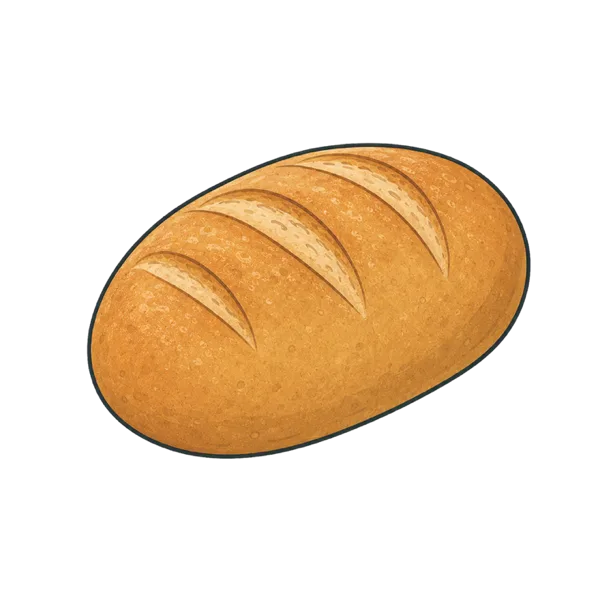
Bread vocabulary illustration
Spanish

pan

English

bread

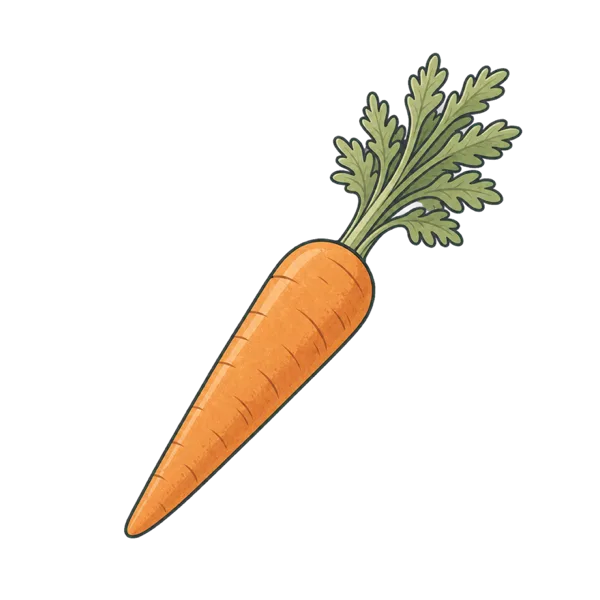
Carrot vocabulary illustration
Spanish

zanahoria

English

carrot

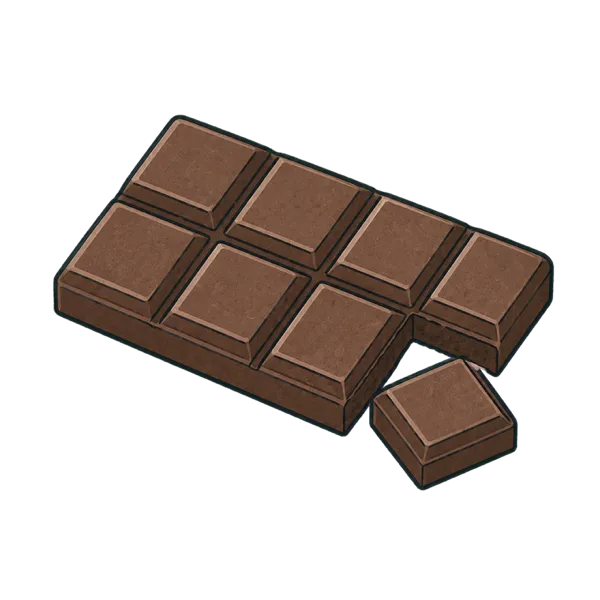
Chocolate vocabulary illustration
Spanish

chocolate

English

chocolate

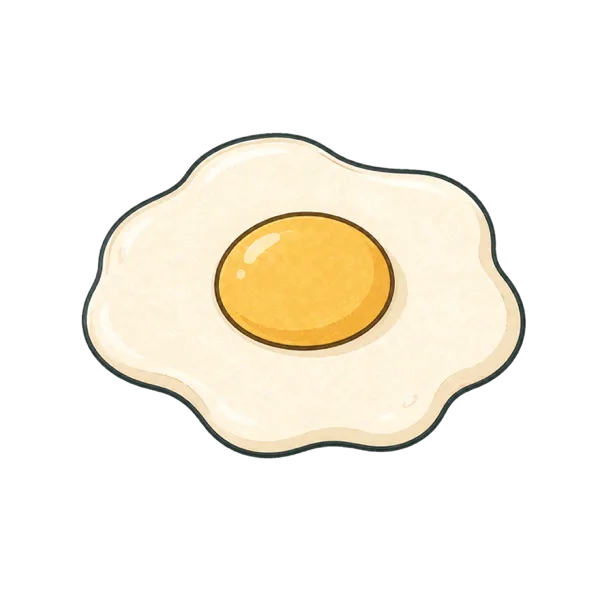
Egg vocabulary illustration
Spanish

huevo

English

egg

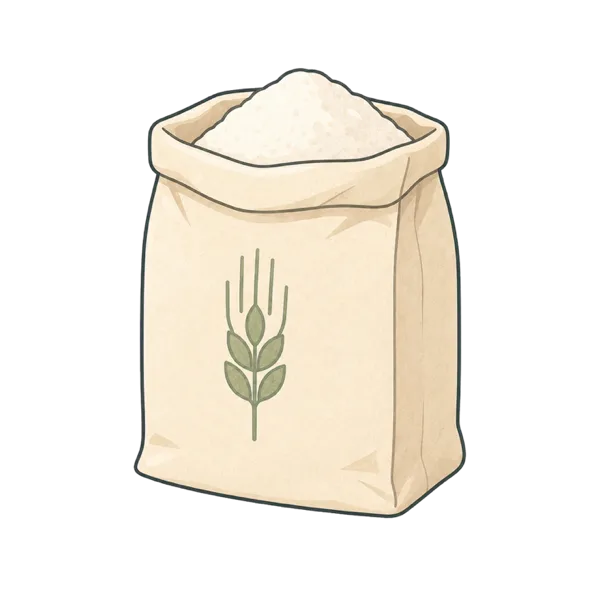
Flour vocabulary illustration
Spanish

harina

English

flour

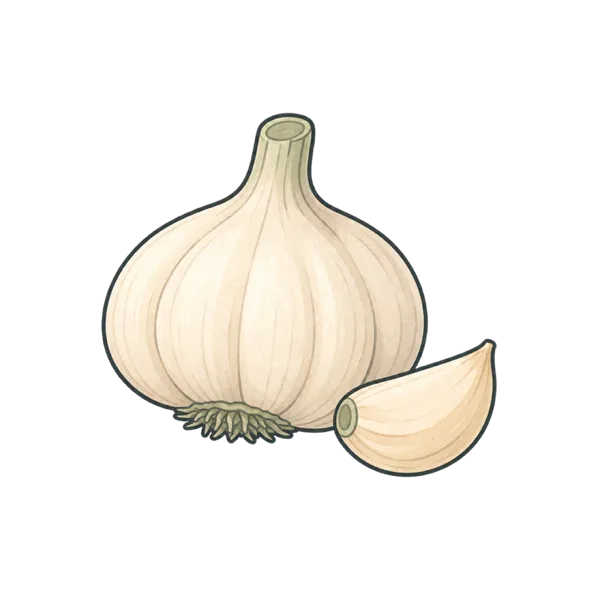
Garlic vocabulary illustration
Spanish

ajo

English

garlic

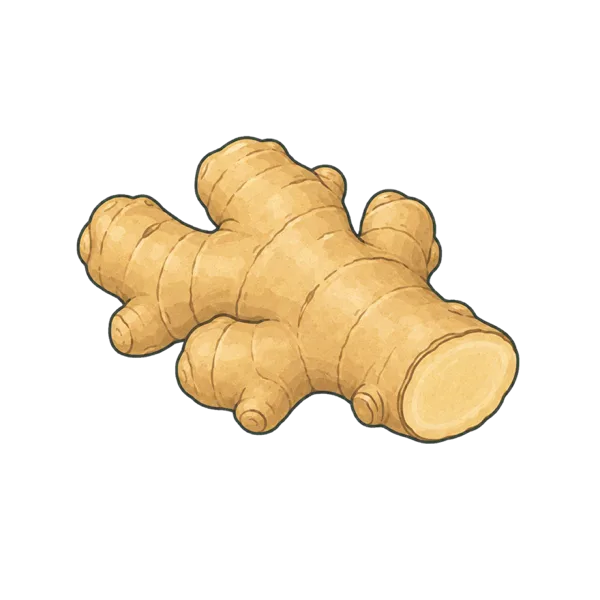
Ginger vocabulary illustration
Spanish

jengibre

English

ginger

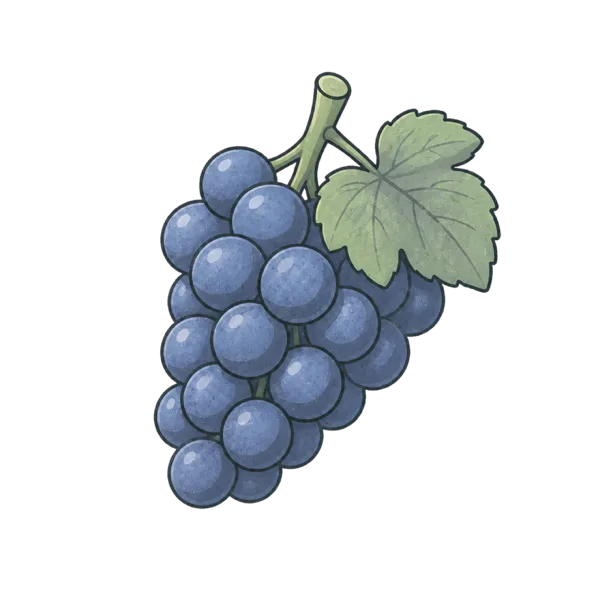
Grapes vocabulary illustration
Spanish

uvas

English

grapes

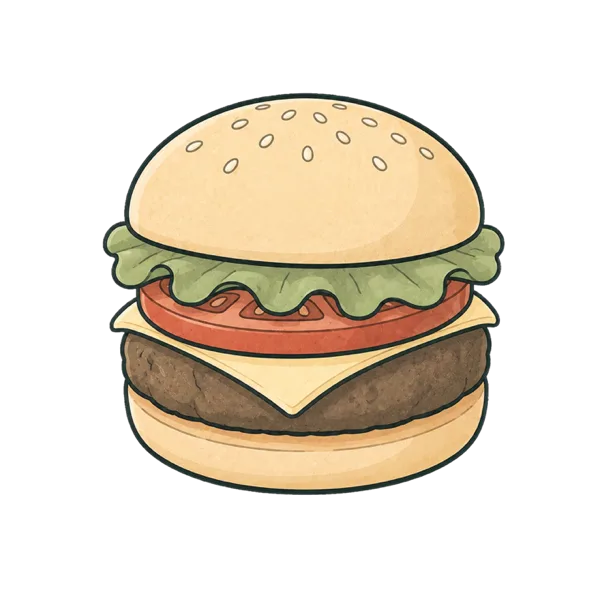
Hamburger vocabulary illustration
Spanish

hamburguesa

English

hamburger

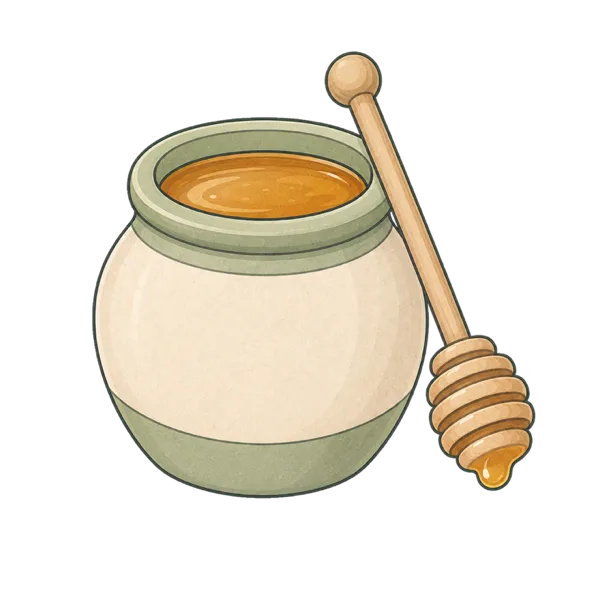
Honey vocabulary illustration
Spanish

miel

English

honey

Ice cream vocabulary illustration
Spanish

helado

English

ice cream

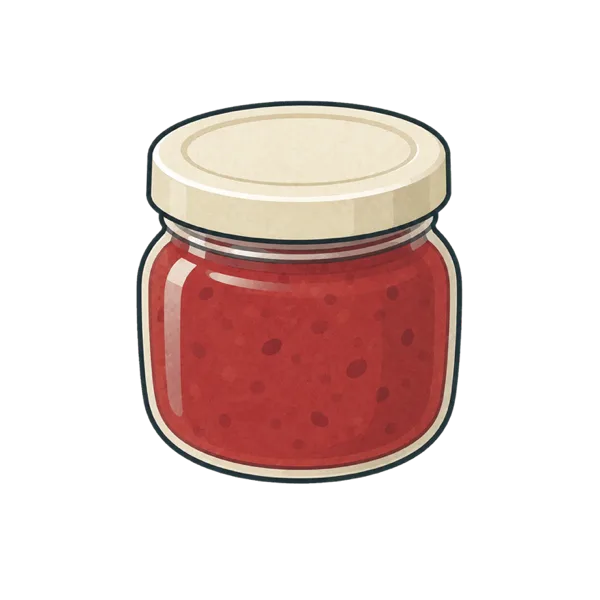
Jam vocabulary illustration
Spanish

mermelada

English

jam

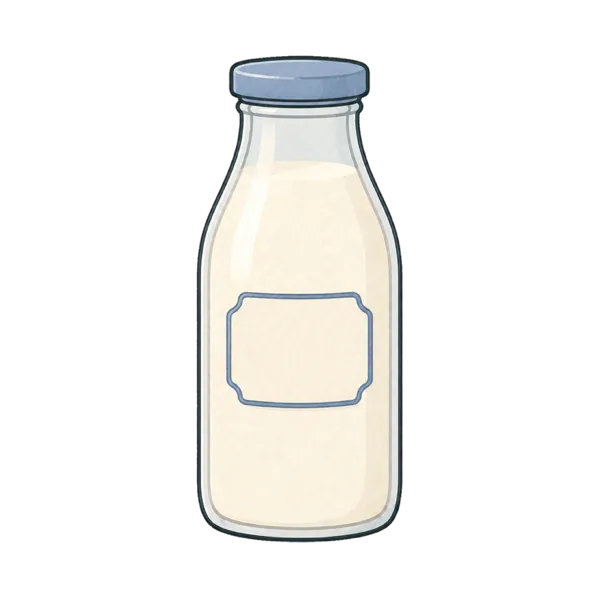
Milk vocabulary illustration
Spanish

leche

English

milk

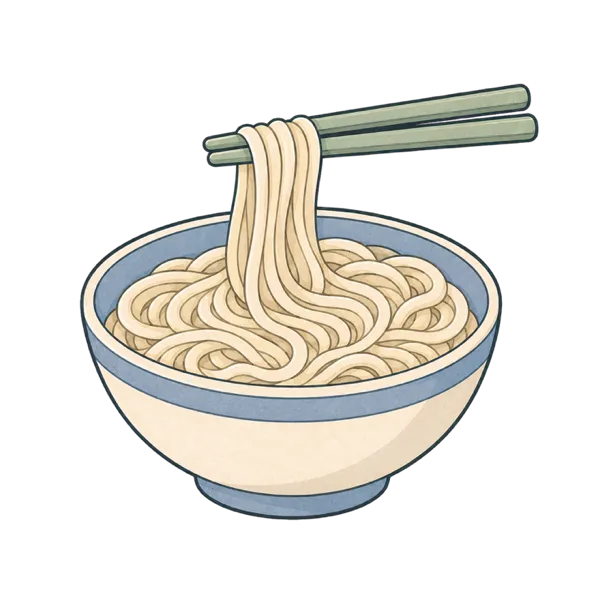
Noodles vocabulary illustration
Spanish

fideos

English

noodles

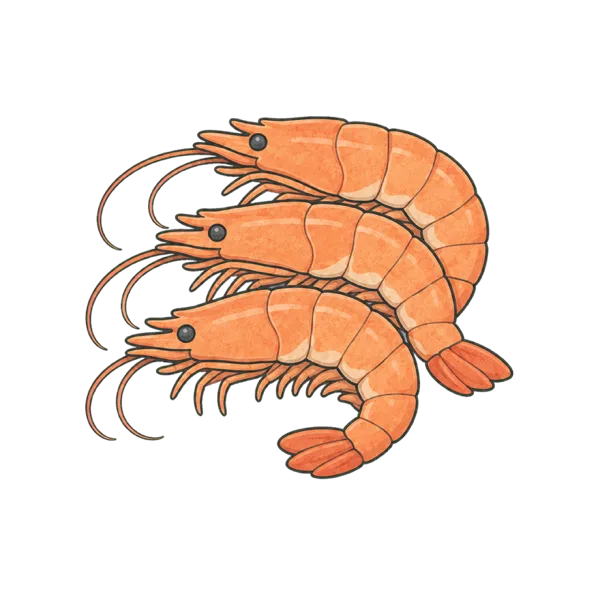
Prawns vocabulary illustration
Spanish

camarones

English

prawns

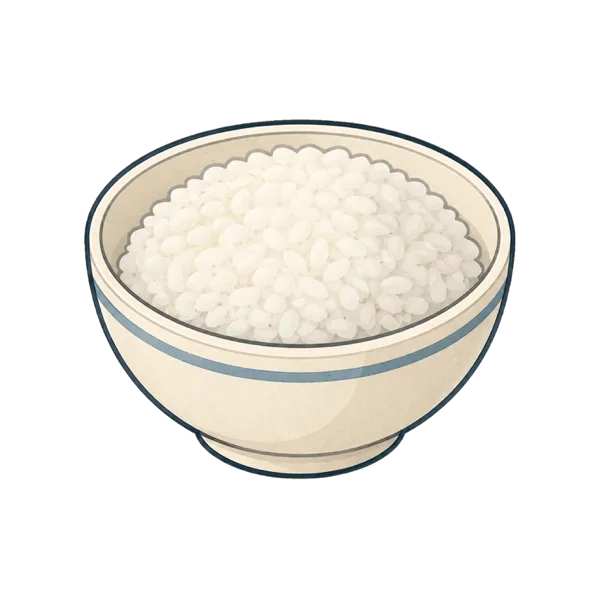
Rice vocabulary illustration
Spanish

arroz

English

rice

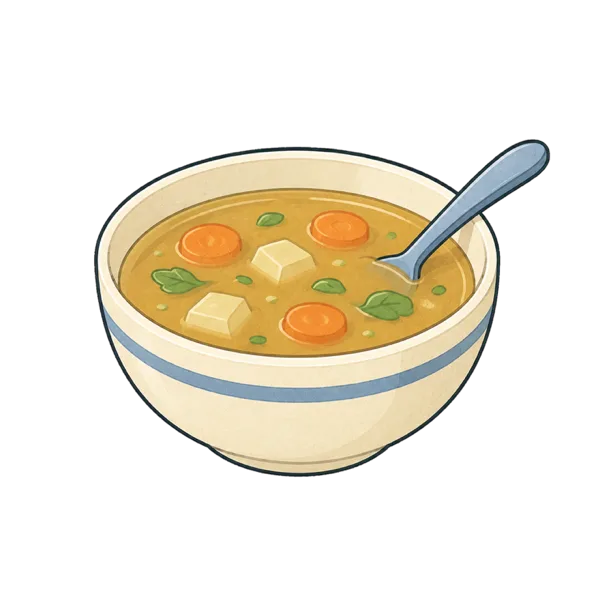
Soup vocabulary illustration
Spanish

sopa

English

soup

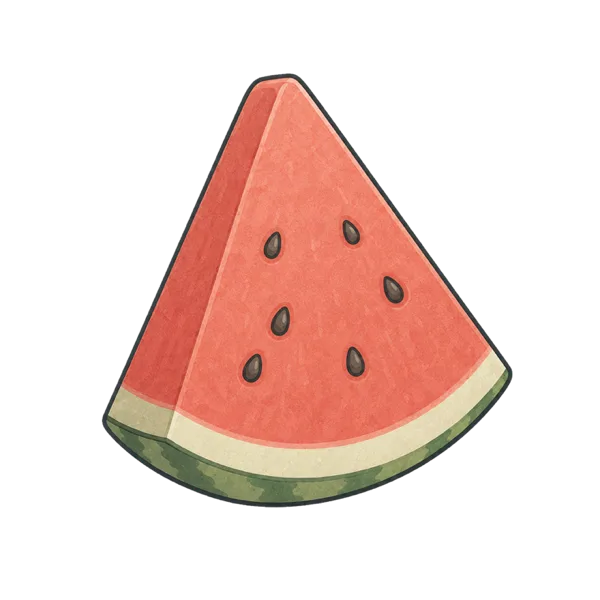
Watermelon vocabulary illustration
Spanish

sandía

English

watermelon

Food words in context

Use these sentences to connect food words with situations you can picture.

  1. Corté una manzana para la merienda.I cut up an apple for a snack.
  2. El aguacate está listo para comer.The avocado is ready to eat.
  3. Compramos pan cada mañana.We buy bread every morning.
  4. Añade una zanahoria a la sopa.Add a carrot to the soup.
  5. Este chocolate tiene un sabor intenso.This chocolate has an intense flavor.
  6. Queda un huevo en la nevera.There is one egg left in the fridge.
  7. Mezcla la harina con agua.Mix the flour with water.
  8. Pica el ajo antes de empezar.Chop the garlic before starting.
  9. El jengibre le da un toque picante.The ginger gives it a spicy touch.
  10. Lava las uvas antes de servirlas.Wash the grapes before serving them.
  11. La hamburguesa viene con ensalada.The burger comes with salad.
  12. Pongo miel en el yogur.I put honey in the yogurt.
  13. Quiero un helado de vainilla.I want a vanilla ice cream.
  14. La mermelada es de fresa.The jam is strawberry.
  15. Falta leche para el desayuno.There is no milk for breakfast.
  16. Los fideos ya están cocidos.The noodles are already cooked.
  17. Los camarones se sirven calientes.The shrimp are served hot.
  18. El arroz necesita cinco minutos más.The rice needs five more minutes.
  19. La sopa está demasiado caliente.The soup is too hot.
  20. Compartimos una sandía en la playa.We shared a watermelon on the beach.

Talking about food

Use quantities for shopping and ingredients for questions about a dish. Practise the complete question before swapping in a different food.

Quisiera…

I would like…

Quisiera una sopa, por favor.I would like a soup, please.

¿Lleva…?

Does it contain…?

¿Lleva leche este pan?Does this bread contain milk?

Un poco de…

A little…

Añade un poco de jengibre.Add a little ginger.

Una porción de…

A portion of…

Pedimos una porción de arroz.We ordered a portion of rice.

Planning a shopping trip

  1. Ana¿Qué falta para la cena?What is missing for dinner?
  2. LuisNecesitamos arroz, ajo y zanahoria.We need rice, garlic and carrot.
  3. Ana¿Compramos también camarones?Shall we buy shrimp too?
  4. LuisSí, y una sandía para compartir.Yes, and a watermelon to share.
  5. AnaEn casa todavía hay pan.There is still bread at home.
  6. LuisEntonces ya tenemos la lista.Then we have the list ready.

Word families

Pan → panadero → panadería links bread, a baker and a bakery. Leche → lechero connects milk with a milk-related adjective or a milk seller. Harina → enharinar links flour with coating something in flour. One ingredient can unlock the shop, person or preparation associated with it.

Words people mix up

Harina is flour; arena is sand. Huevo is an egg, while huevos is the plural. Helado means ice cream as a noun, but can also describe something frozen or very cold.

Spain vs Latin America

Aguacate is used in Spain and Mexico; palta is common in Chile, Peru and Argentina. Camarones is common for shrimp in Latin America; in Spain, gambas is often used for similar foods, though the names can refer to different species.

Common phrases

  • un diente de ajoa clove of garlic
  • una rebanada de pana slice of bread
  • un racimo de uvasa bunch of grapes

Memory tips

Harina begins like “hare”: picture a hare covered in white flour after knocking over a bag. Sandía begins like “sand”: imagine eating a huge slice of watermelon on a sandy beach. Mermelada resembles “marmalade”: picture spreading jam on toast.

FAQ

How do you say food in Spanish?

Comida means food and can also mean a meal. Alimentos is a more general or formal word for foodstuffs.

What is the difference between aguacate and palta?

Both name avocado. Which you hear most depends on the country.

How do you ask whether food contains milk?

¿Lleva leche? means “Does it contain milk?” You can name the dish to make the question specific.

Try one in the VocabTally quiz

Choose the English meaning, just as you would while practising in the app.

00

What does this word mean?

manzana

KitchenSpanish vocabulary by topicExplore →Coffee ShopSpanish vocabulary by topicExplore →Common ItemsSpanish vocabulary by topicExplore →TravelSpanish vocabulary by topicExplore →

Browse all Spanish vocabulary topics →

Keep these food words

Practise the Food deck in VocabTally.

Practise this deck