Spanish Animals Vocabulary: 20 Animal Names

Name familiar pets, farm animals and wild animals in Spanish. The twenty words here help you describe what you see, talk about an animal you like and recognise the small changes that connect an animal name to its family.

20 Animal Names

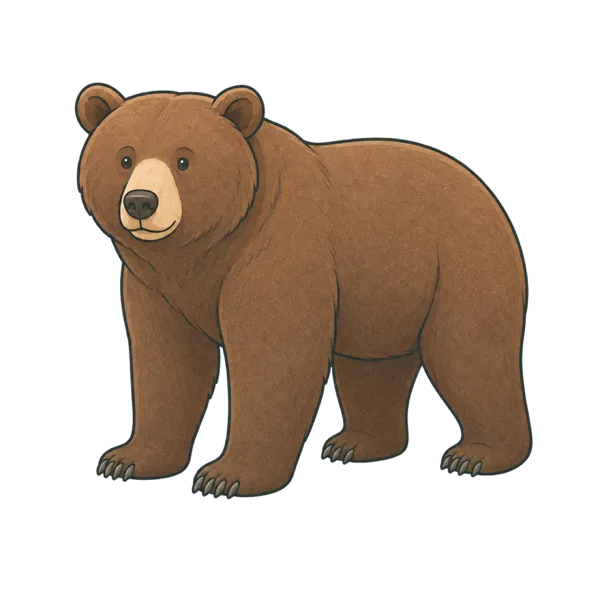
Bear vocabulary illustration
Spanish

oso

English

bear

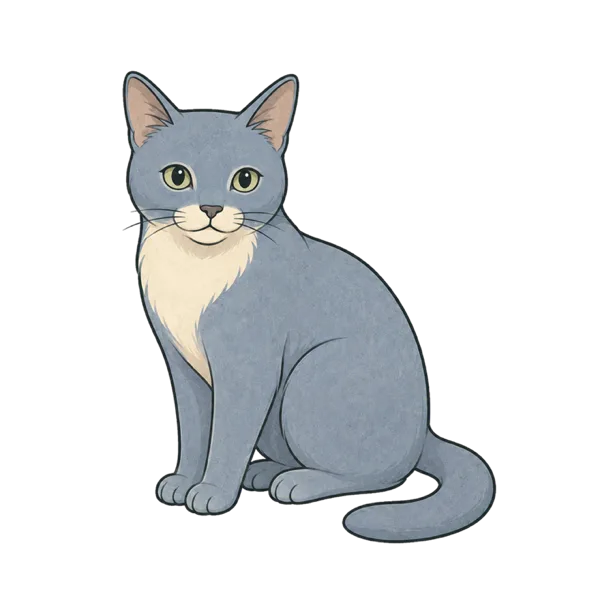
Cat vocabulary illustration
Spanish

gato

English

cat

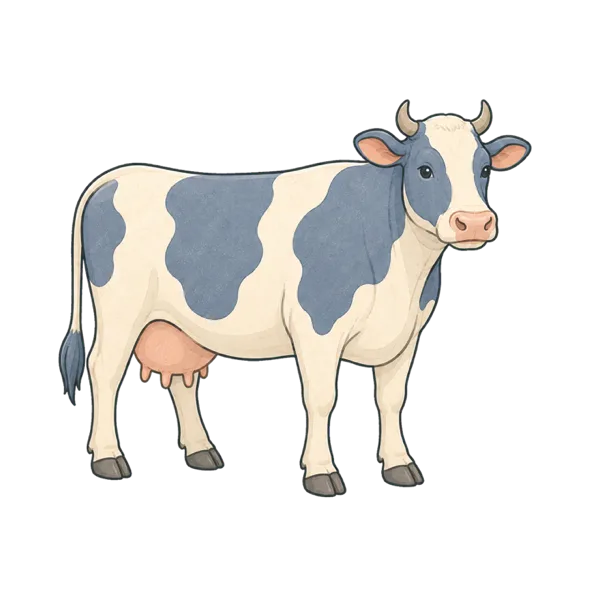
Cow vocabulary illustration
Spanish

vaca

English

cow

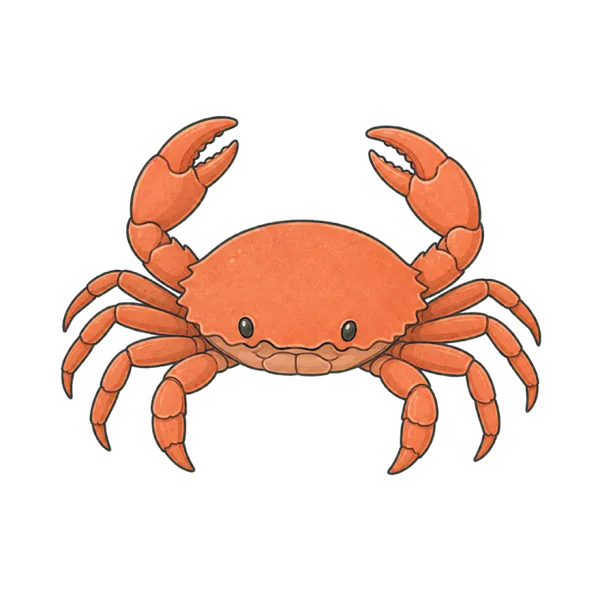
Crab vocabulary illustration
Spanish

cangrejo

English

crab

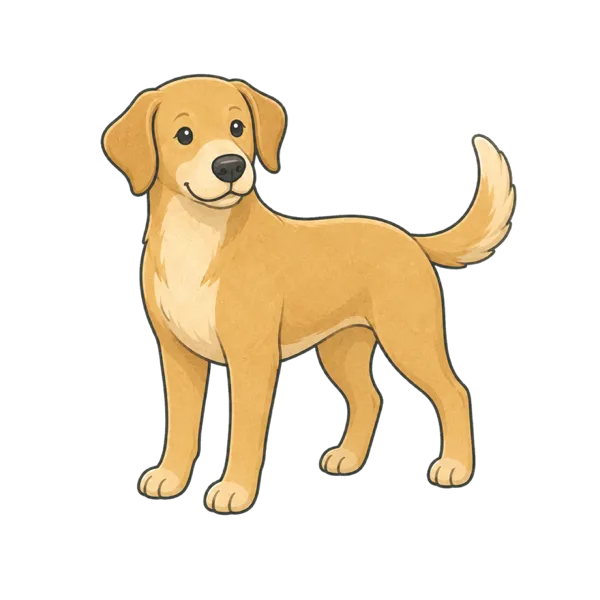
Dog vocabulary illustration
Spanish

perro

English

dog

Dolphin vocabulary illustration
Spanish

delfín

English

dolphin

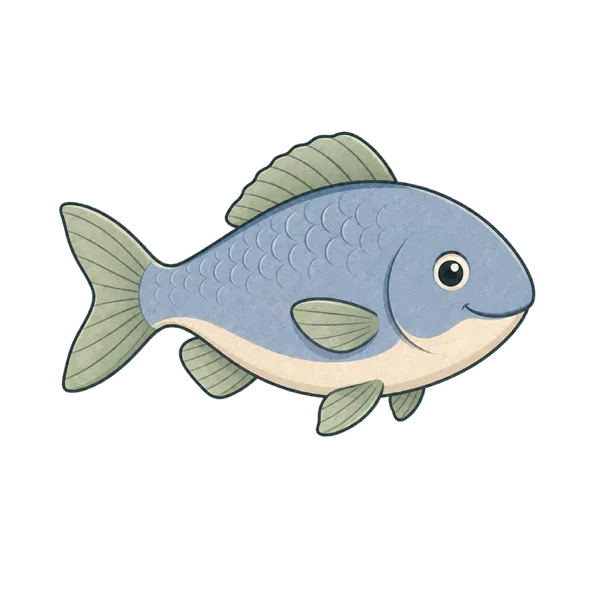
Fish vocabulary illustration
Spanish

pez

English

fish

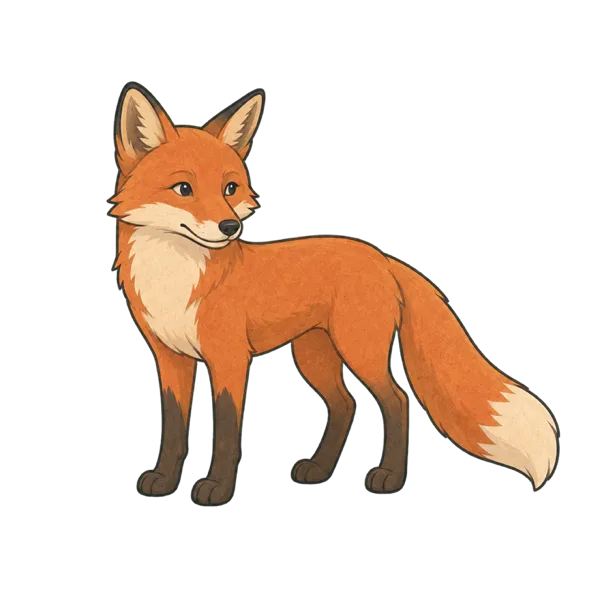
Fox vocabulary illustration
Spanish

zorro

English

fox

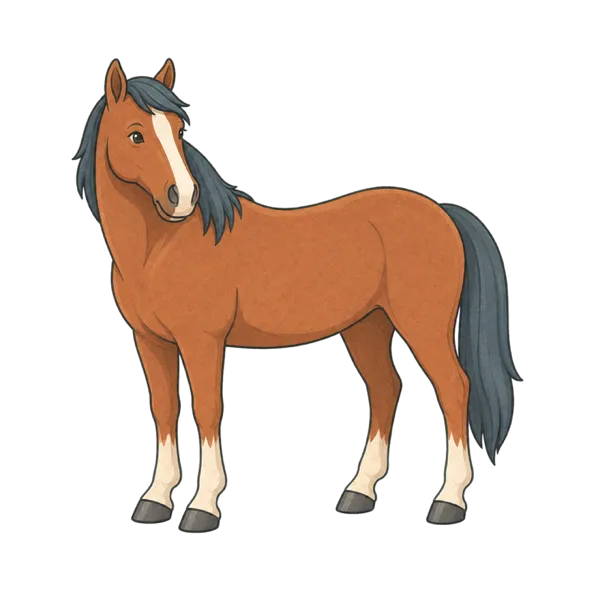
Horse vocabulary illustration
Spanish

caballo

English

horse

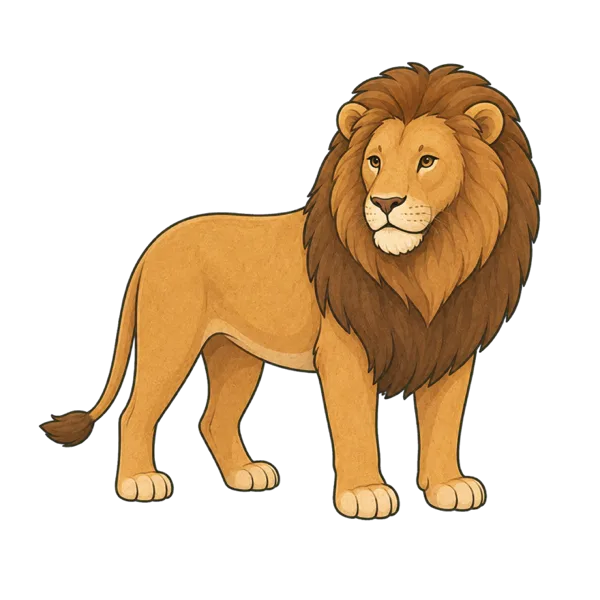
Lion vocabulary illustration
Spanish

león

English

lion

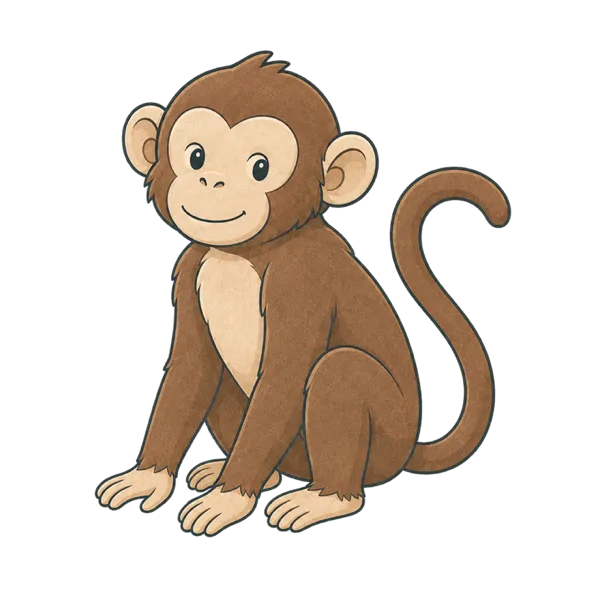
Monkey vocabulary illustration
Spanish

mono

English

monkey

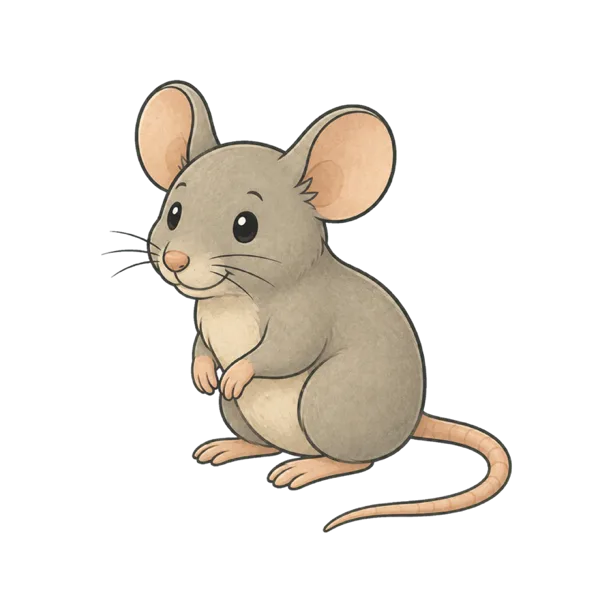
Mouse vocabulary illustration
Spanish

ratón

English

mouse

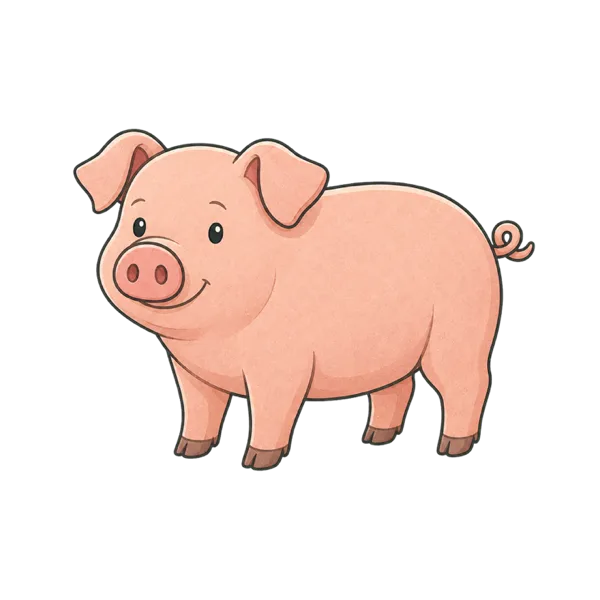
Pig vocabulary illustration
Spanish

cerdo

English

pig

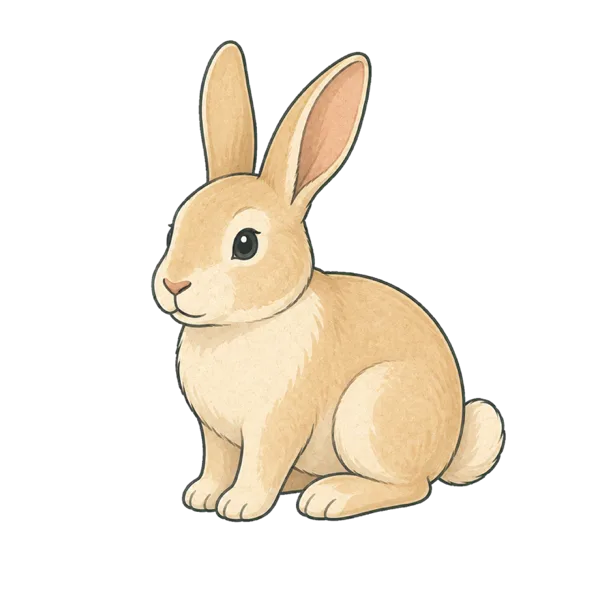
Rabbit vocabulary illustration
Spanish

conejo

English

rabbit

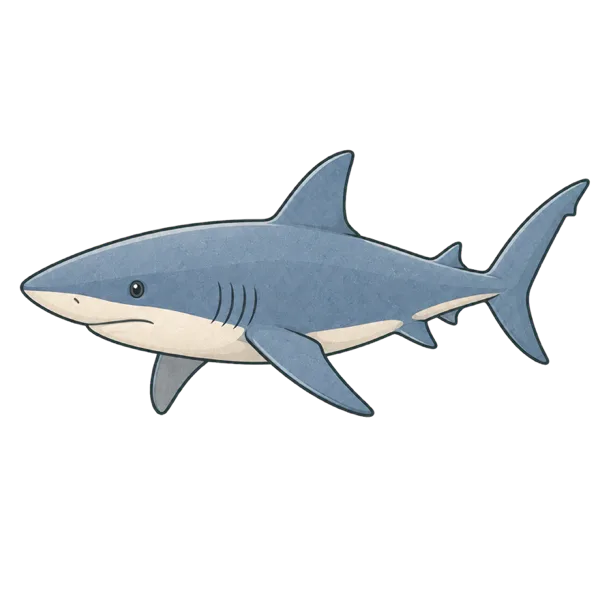
Shark vocabulary illustration
Spanish

tiburón

English

shark

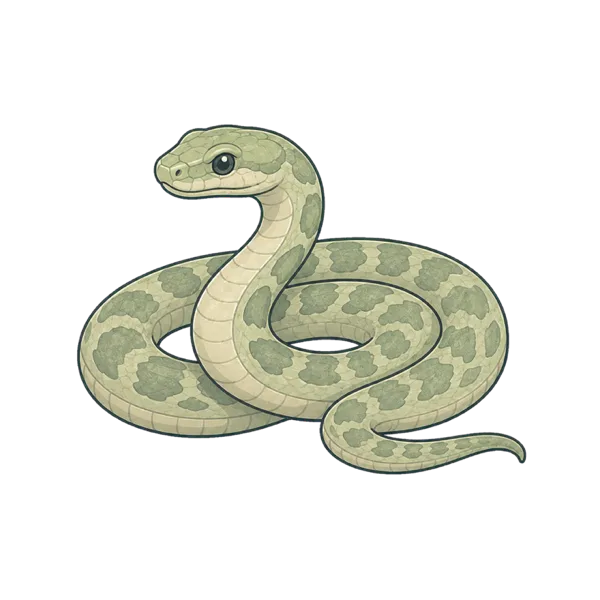
Snake vocabulary illustration
Spanish

serpiente

English

snake

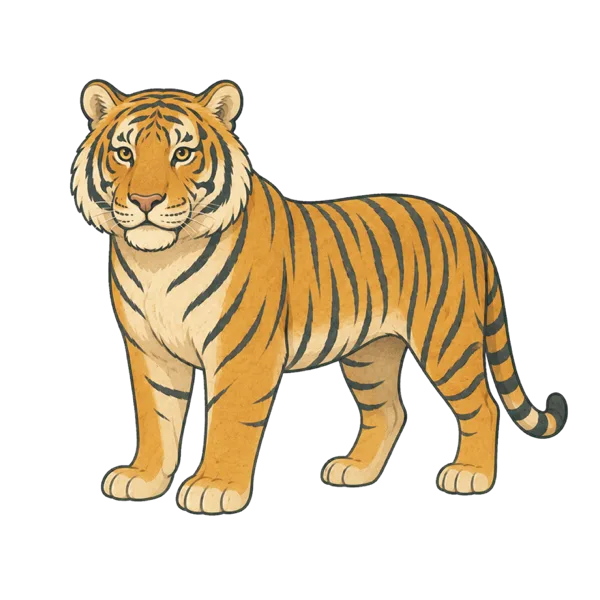
Tiger vocabulary illustration
Spanish

tigre

English

tiger

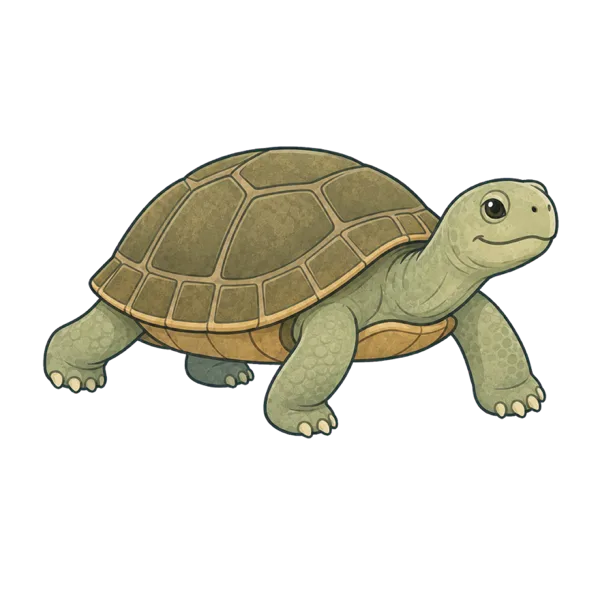
Turtle vocabulary illustration
Spanish

tortuga

English

turtle

Whale vocabulary illustration
Spanish

ballena

English

whale

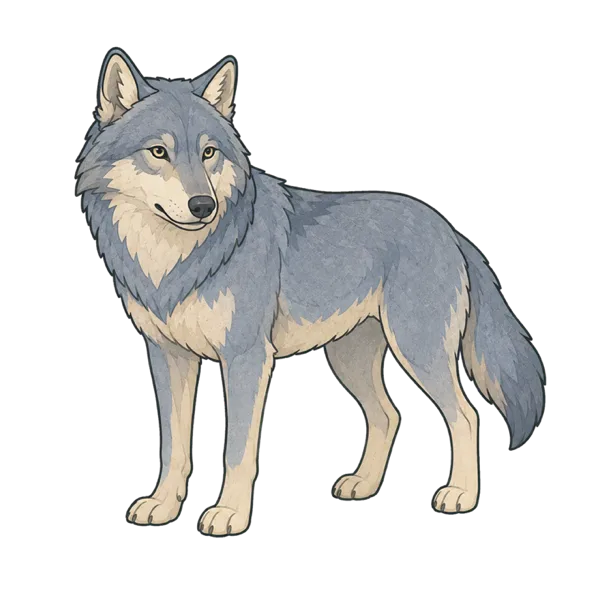
Wolf vocabulary illustration
Spanish

lobo

English

wolf

Animal words in context

Use these sentences to connect animal words with situations you can picture.

  1. El oso salió del bosque.The bear came out of the forest.
  2. Mi gato duerme junto a la ventana.My cat sleeps beside the window.
  3. La vaca está en el campo.The cow is in the field.
  4. Un cangrejo se escondió bajo la roca.A crab hid under the rock.
  5. El perro espera junto a la puerta.The dog waits beside the door.
  6. Vimos un delfín desde el barco.We saw a dolphin from the boat.
  7. Ese pez tiene rayas azules.That fish has blue stripes.
  8. El zorro cruzó el camino.The fox crossed the path.
  9. El caballo bebe agua.The horse drinks water.
  10. El león descansa a la sombra.The lion rests in the shade.
  11. Un mono saltó a otra rama.A monkey jumped to another branch.
  12. El ratón encontró unas migas.The mouse found some crumbs.
  13. El cerdo está cerca del granero.The pig is near the barn.
  14. El conejo mueve las orejas.The rabbit moves its ears.
  15. El tiburón nada lejos de la costa.The shark swims far from the coast.
  16. Una serpiente pasó entre las piedras.A snake moved between the stones.
  17. El tigre camina junto al río.The tiger walks beside the river.
  18. La tortuga se mueve despacio.The turtle moves slowly.
  19. Una ballena apareció junto al barco.A whale appeared beside the boat.
  20. El lobo dejó huellas en la nieve.The wolf left tracks in the snow.

Talking about animals

Name the animal first, then add a habitat, action or description. These patterns work for a pet at home or an animal you see outside.

Tengo un…

I have a…

Tengo un gato muy tranquilo.I have a very calm cat.

Vimos un…

We saw a…

Vimos un zorro al anochecer.We saw a fox at dusk.

Vive en…

It lives in…

El pez vive en el agua.The fish lives in water.

Se parece a…

It looks like…

Ese perro se parece a un lobo.That dog looks like a wolf.

Talking about pets

  1. Ana¿Tienes alguna mascota?Do you have any pets?
  2. LuisSí, tengo un gato y un perro.Yes, I have a cat and a dog.
  3. Ana¿Se llevan bien?Do they get along?
  4. LuisSí, a veces duermen juntos.Yes, sometimes they sleep together.
  5. AnaYo tengo un conejo.I have a rabbit.
  6. LuisMe encantan sus orejas largas.I love their long ears.

Word families

Gato → gatito → gatera connects a cat, a kitten or little cat and a cat flap. Perro → perrito → perrera links a dog, a little dog and a kennel. Caballo → caballito → caballeriza connects a horse, a little horse and a stable. Recognising a root unlocks useful animal-related words.

Words people mix up

Pez is a fish as an animal; pescado usually means fish caught for food. Tortuga can mean either turtle or tortoise: tortuga marina and tortuga terrestre clarify the habitat.

Common phrases

  • pasear al perroto walk the dog
  • montar a caballoto ride a horse
  • ver una ballenato see a whale

Memory tips

Ratón begins like English “rat”: picture a tiny mouse beside a bigger rat. Ratón and tiburón follow the same spelling pattern: ratones and tiburones drop the accent when they gain -es. Serpiente resembles “serpent”: picture a snake curled into an S.

FAQ

How do you say pet in Spanish?

Mascota means pet. Tengo una mascota means “I have a pet.”

How do you say turtle in Spanish?

Tortuga can refer to a turtle or tortoise. Add marina for a sea turtle or terrestre for a land tortoise.

Do all Spanish animal names change gender?

No. Gato/gata changes, but words such as la ballena keep their grammatical gender; macho or hembra can specify the animal’s sex.

Try one in the VocabTally quiz

Choose the English meaning, just as you would while practising in the app.

00

What does this word mean?

oso

NatureSpanish vocabulary by topicExplore →FamilySpanish vocabulary by topicExplore →FoodSpanish vocabulary by topicExplore →HobbiesSpanish vocabulary by topicExplore →

Browse all Spanish vocabulary topics →

Keep these animal words

Practise the Animals deck in VocabTally.

Practise this deck